


The Don Quijote weekly ad is where you start if you want to stretch your budget. It displays the week’s greatest prices on produce, snacks, and necessities for the home. You already know where the savings are hidden when you examine it before entering the business. You can save a surprisingly large sum of money each month with that easy habit.
Entering Don Quijote is like entering a well-organized pandemonium. The aisles are crowded, the music is loud, and the shelves are piled high with everything from everyday goods to items you were unaware you desired until now. That turmoil is brought under control by the weekly ad. It serves as a roadmap. You already know exactly what is inexpensive this week, so you don’t have to go around and buy stuff on the spur of the moment.
Don Quijote Weekly Ad
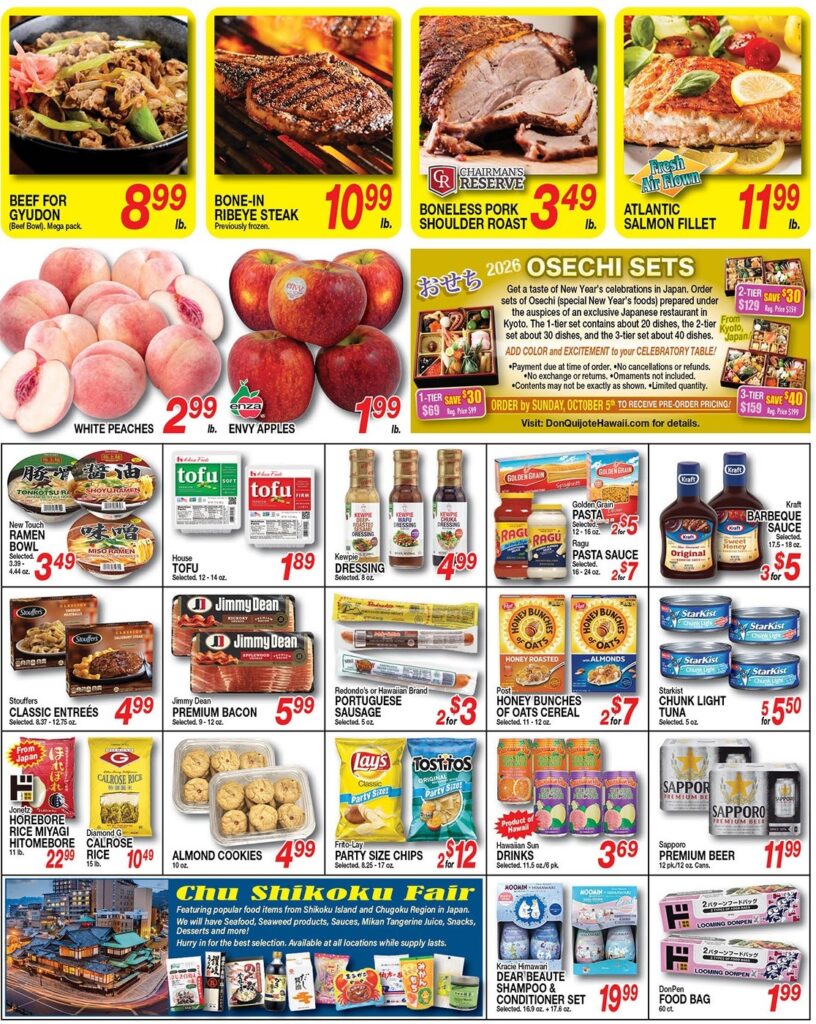
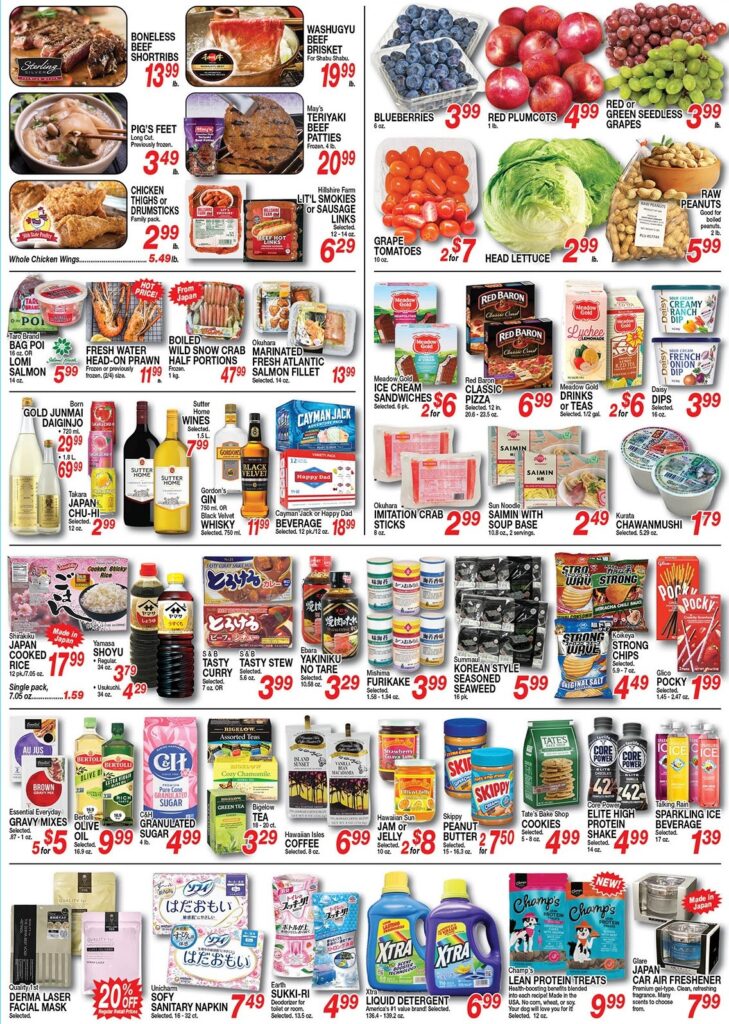
See also: Western Beef weekly flyer
Shopping is kept interesting by the frequent modifications to the Don Quijote weekly ad. It might advertise a huge fruit sale one week, followed by a concentration on frozen meals or cleaning supplies the next week. You may plan meals that take advantage of the finest deals by paying attention to the advertisement. When food prices continue to rise, that kind of preparation makes a significant impact.
Regular customers are aware of the advertisement’s worth. It is not merely a flier on paper or in digital form. It turns into a pattern. After making a list and checking it, you enter the store knowing what to do. Without it, you risk going over budget or purchasing items that are only kept in the closet until they go bad.
Don Quijote sells more than just food, which is the fun part. You might be surprised by the weekly ad’s discounts on odd household devices, cosmetics, or even tiny appliances. It differs from other grocery stores because of this combination. Where else can you go shopping and find a kitchen scale on sale together with fresh sashimi?
Additionally, the Don Quijote weekly ad pushes you to try things you might not ordinarily do. It’s simpler to put a Japanese snack you’ve never tried in your cart when you see a deal on it. The store’s charm lies in its strangeness. Without making your wallet feel too light, the advertisement encourages you to explore.
Upon closer inspection, the advertisement also depicts seasonal variations. The specials change around several holidays to reflect customs. This makes it simpler to get ready for events without rushing to make last-minute purchases. You can avoid the stress that typically accompanies holiday shopping, save money, and stock up early.
Even more convenient is the fact that the Don Quijote weekly ad is accessible online. You don’t have to wait for a paper copy or drive over. Before leaving, you can browse the bargains and make plans by opening it on your phone. This translates to more effective shopping and fewer unnecessary journeys. This feature is a tiny but effective tool for those who wish to properly manage their finances.
Using the advertisement has psychological advantages as well. It transforms shopping into a treasure quest of sorts. Getting a half-priced bag of rice or reduced seafood makes you feel like you’re in on a secret. That sensation makes an otherwise mundane errand more enjoyable. It changes the perspective from one of spending money to one of discovering value.
The structure offered by the Don Quijote weekly ad is particularly valued by families. The shopping expenditure can rapidly go out of control if you are feeding a large group of people. Reducing those figures is made easier by knowing where the discounts are. The savings can be more than just spare change over the course of a month. It may pay for a lovely dinner somewhere else or a family outing.
The advertisement is still relevant for single people. It can direct you to single-serve or reduced-portion items that are on sale. Because you are not compelled to purchase large packs at full price, waste is decreased. Because you may try out different things when they’re on sale, it also provides variety to meals.
The Don Quijote weekly ad gives you a closer relationship with the store than just the money. It creates a sense of familiarity. You become proficient at reading it rapidly when you see the identical arrangement of deals every week. You are aware of which parts are most important to you and which you can ignore. This familiarity streamlines every journey and saves time.
Some consumers make strategic use of the advertisement. To optimize savings, they pair it with reward points or coupons. The overlap can make some purchases almost free, but not all products are eligible. Those who are disciplined enough to verify the advertisement and the available coupons before making a purchase will find that method to be most effective.
Casual shoppers gain as well. Imagine coming in for a quick lunch and discovering that, because you had only glanced at the advertisement earlier, the same item is half price. You shop differently when you have that kind of awareness. When you realize you spent full price for something that was on sale the next aisle over, it helps you avoid remorse.
A straightforward lesson about consistency is also taught in the Don Quijote weekly ad. Although checking it doesn’t take much time, the habit consistently yields benefits. The total savings add up over the course of weeks and months. It’s similar to creating a tiny financial buffer without sacrificing much.
The advertisement’s layout is typically simple. Categories are used to group items. This facilitates planning and comparison. The advertisement offers a serene summary, despite the store’s hectic shelves and cacophonous environment making it seem overpowering. It is an instantaneous representation of the value.
The advertisement can be the week’s high point for those who like finding unusual things. There may be a special offer on seasonal desserts or foreign nibbles that aren’t normally available. You might completely miss them without the advertisement. It turns into a means of maintaining a relationship with the character and diversity of the store.
The Don Quijote weekly ad is also useful. It’s more than just novelty. Staples like rice, noodles, vegetables, and protein are always included. Most households require these items on a regular basis. It’s comforting and beneficial to see them discounted. It maintains quality without breaking your wallet.
The advertisement strikes the right balance between surprise and predictability, which is what the store thrives on. Although you are aware that there will be savings on necessities, you are also interested in what new products have been added. Customers return for that blend.
Ignoring the advertisement is illogical for someone who is serious about reducing expenses without sacrificing quality. The resource is free. It allows you to manage your expenditures. It makes grocery shopping more deliberate and less haphazard. That control seems empowering in a world when costs hardly ever decrease.
Marketing is not the only purpose of the Don Quijote weekly ad. It’s a map. It helps you find the best deals in a store that might be intimidating if you’re not careful. That map is the difference between a frantic excursion and a well-planned, effective one, regardless of whether you are purchasing for a family or just yourself.
You can make every trip a little bit easier and every cost a little bit lighter by periodically going to the advertisement. That consistency grows into something more significant with time. What begins as a cursory look at a flyer develops into a routine that helps you maintain your lifestyle and budget. That is the actual worth concealed within those pages.